
Introduction
We follow a repeatable methodology (battery logging, real-world performance checks, and side-by-side comparisons) plus extended daily use. For details, see our Testing Methodology.
This review prioritizes what changes your experience after the first week: comfort, reliability, battery consistency, and the little friction points that don’t show up in spec sheets.
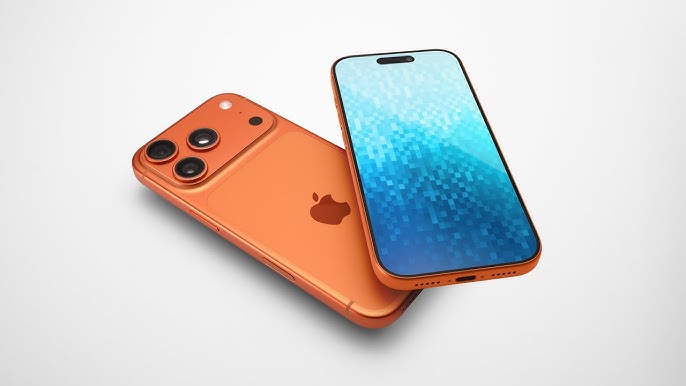
Design and Build Quality
The 17 Pro’s titanium frame makes an immediate difference in long sessions. Carrying it all day and using it one-handed feels less fatiguing than older Pro models. The finish also hides fingerprints well, and the phone feels more ‘tool-like’ than ‘jewelry-like’—in a good way.
In daily use we paid attention to button feel, pocket comfort, and durability. The Action button is genuinely useful once you map it to something you do often (we used a camera shortcut and a Focus toggle). The slight edge rounding helps ergonomics, especially without a case.
After weeks in and out of bags and pockets, minor scuffs can still happen—titanium isn’t magic—but overall build quality feels premium and resilient. IP68 gives peace of mind, and the front glass remained scratch-free in normal use.
Performance and Hardware
Performance is the least dramatic part of the story because it’s simply never a bottleneck. Apps launch fast, multitasking stays smooth, and we didn’t see the stutters that can appear on some Android skins under heavy background load.
We tested sustained performance with long navigation sessions, photo editing, and extended gaming. Thermals stayed controlled; the phone got warm but never uncomfortable. More importantly, it didn’t feel like it ‘slowed down’ after 20–30 minutes of heavier tasks.
If you’re the type to keep dozens of apps and tabs open, you may still see occasional reloads. For everyone else, the hardware is comfortably future-proof for several years of iOS updates.
Display Quality
The Super Retina XDR panel remains one of the easiest displays to trust for color and contrast. Outdoors, it’s readable at high brightness without constant squinting or shade-hunting.
120 Hz ProMotion keeps scrolling and animations fluid, and the phone rarely drops frames in normal use. We also paid attention to low-brightness behavior at night—flicker and banding weren’t an issue in our unit.
For creators, the display is consistent and pleasing, though if you want the absolute largest canvas you’ll still prefer a Max-sized phone.
Battery Life
In mixed daily use—messaging, browsing, maps, a little camera, and streaming—we consistently made it through a day. Heavy days (lots of camera + navigation + hotspot) can push you into low power mode by evening.
Charging over USB‑C is more convenient than it should have taken to become. With a USB‑C PD charger we saw fast top-ups that made ‘short charge windows’ practical before heading out.
Bottom line: battery is reliable, not record-breaking. If battery life is your #1 priority, the Max model (or certain Android competitors) still has an edge.
Camera (Phones)
The main camera is the reason many people buy a Pro iPhone. In daylight, photos are sharp with natural color and strong dynamic range. Indoor shots keep detail without over-processing skin tones.
Low light remains excellent for a compact phone. Night mode engages predictably, and we saw fewer ‘muddy’ textures than many rivals. Video is still the easiest ‘point and shoot’ in the category: stabilization is excellent and exposure is consistent.
We also tested quick capture (pull phone from pocket → shoot → share). That workflow is where Apple’s camera experience shines—reliable results with minimal fuss.
Software Experience
iOS is still the most cohesive part of the iPhone experience: privacy controls are clear, performance stays smooth, and the ecosystem conveniences (AirDrop, iCloud, watch integration) add up.
USB‑C improves real-world compatibility with accessories and makes travel simpler. Data transfers to external storage are also more practical than on older Lightning models.
We like that Apple tends to support devices for many years; for buyers, that’s both a trust signal and a practical value factor.
Pros and Cons
Pros
- Titanium build improves comfort and feel
- Top-tier performance with excellent thermals
- Outstanding camera reliability (photo + video)
- Bright, smooth 120 Hz display
- USB‑C for charging and accessories
- Long software support
Cons
- Premium price
- Battery is good, not best-in-class
- Base storage can fill quickly for ProRes/4K workflows
Final Verdict
Final Verdict
If you want a compact flagship with the most reliable camera and the smoothest overall experience, the iPhone 17 Pro is still the safe recommendation. It’s expensive, but it earns that price with consistency: performance, display, camera, and software feel ‘done right.’
Who should skip it? Anyone who primarily wants the longest battery life, the lowest price, or a bigger screen for productivity. But if you care about dependable daily use and top-tier capture quality, this is an Editor’s Choice caliber phone.